


 Crisis Info
 English
 Donate
 Crisis Info
 Sign Up for Emails
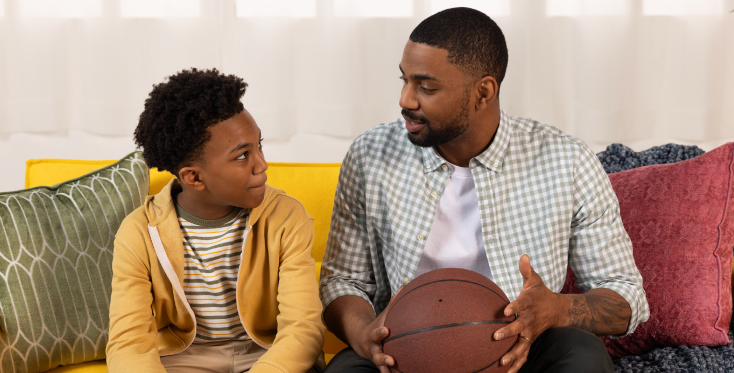
- You can support children's mental health and create a healthy relationship by regularly talking with them about their thoughts, feelings and experiences.
- Establish routines for checking in with them when there are fewer distractions such as during car rides, family dinners or at bedtime.
- Share some of your thoughts and feelings to show children that all emotions are OK and discuss the coping strategies you use.
- Encourage children to share by asking open-ended questions about various topics, not just emotions or behaviors. If children don't want to talk, respect their space and try again later.
"It's Not Like That" Supports Kids' Mental Health
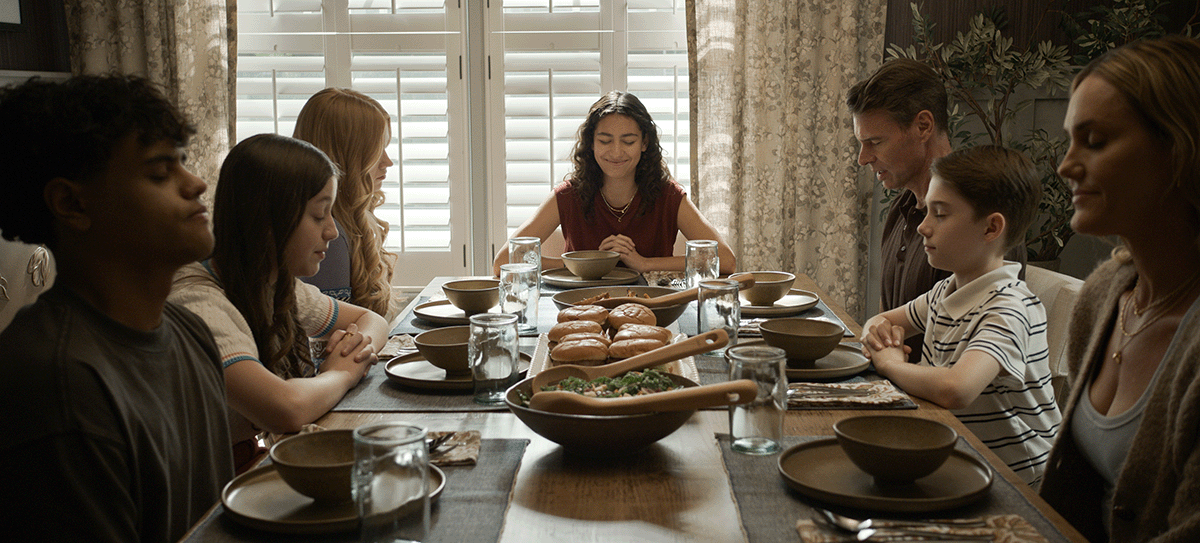
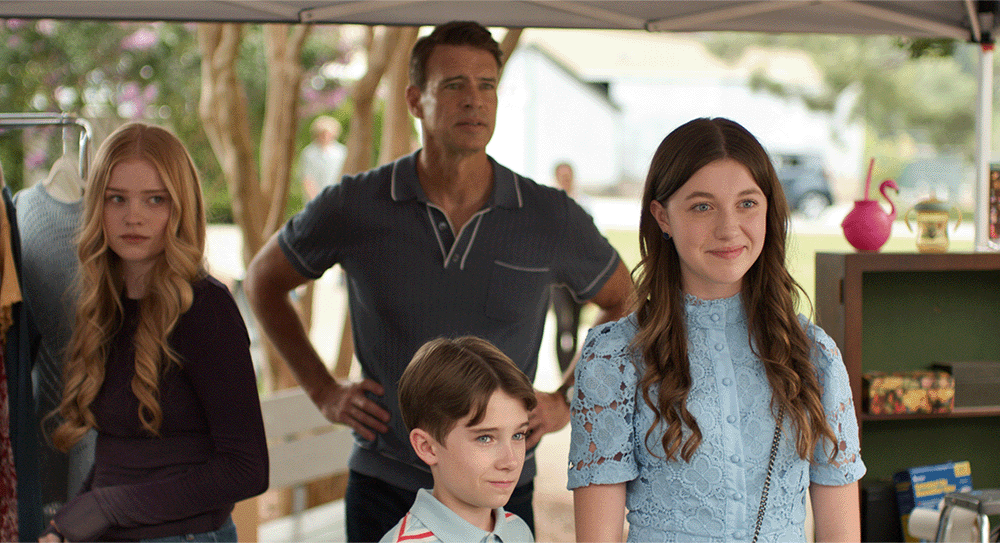
“A multigenerational family drama that shines…” Decider - Joel Keller
The series follows Malcolm (Scott Foley), a recently widowed pastor raising three children, and Lori (Erinn Hayes), a newly divorced mother of two teens. Once inseparable family friends, their lives have shifted, and they must now navigate single parenthood, evolving identities, and the complexities of Malcolm being a modern-day pastor. Is this the beginning of a love story? It’s not like that. Or is it?
Thank you to Wonder Project and Amazon MGM Studios for directing viewers of “It’s Not Like That” to expert-created resources on Amazon Prime.
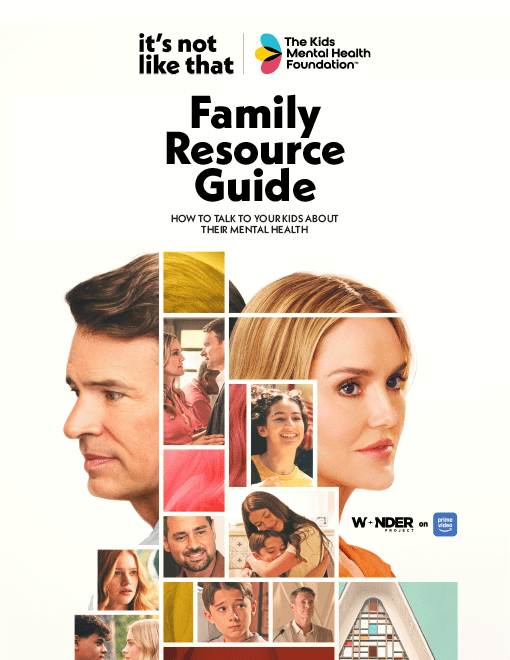
It’s Not Like That Mental Health Discussion Guide for Parents and Caregivers
The Kids Mental Health Foundation created this guide to help you use It’s Not Like That as a starting point for open, supportive conversations about mental health and difficult life experiences at home.
Each episode is paired with simple resources on topics like divorce, grief, friendships, and more as a starting point for open, healthy conversations for mental health at home.
Preview the Trailer
Bonus Content
Dr. Megan Schaefer, pediatric psychologist and clinical expert with The Kids Mental Health Foundation, leads an insightful conversation with Erinn Hayes, Leven Miranda and Caleb Baumann about their character’s journey with mental health and intentional ways to address these themes for viewers at home. Dr. Schaefer and the cast emphasize the importance of open dialogue in families and understanding how to navigate kids’ unmet emotional needs.
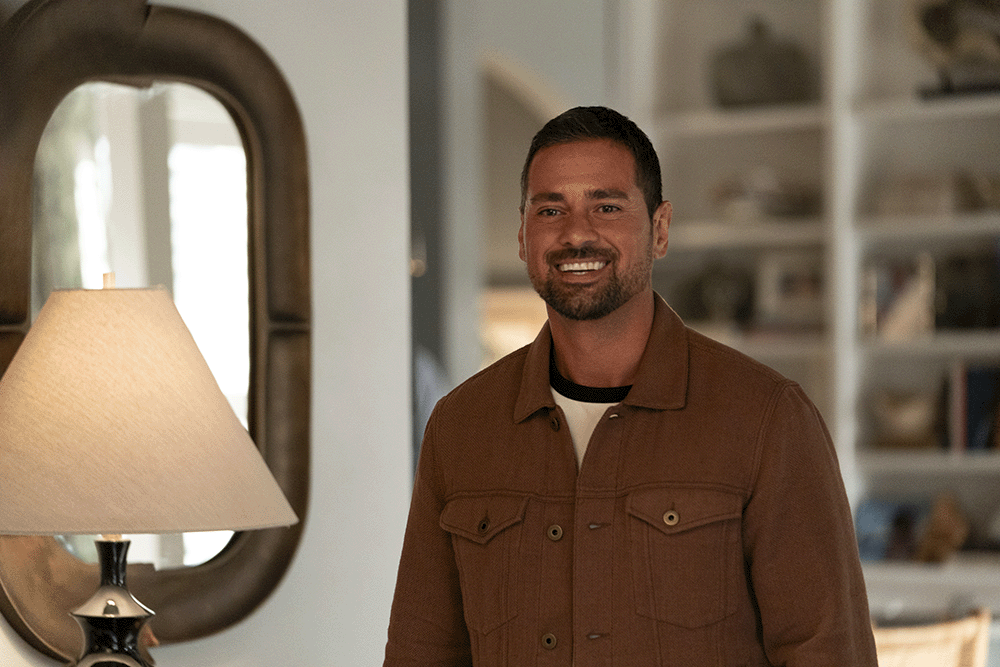
J.R. Ramirez stars as David Soto in It’s Not Like That and is a member of The Kids Mental Health Foundation Entertainment Council.
“What The Wonder Project and Kids Mental Health Foundation have built with It's Not Like That is exactly the model of collaboration we need more of: storytelling that takes its responsibility to young viewers seriously, and a partnership infrastructure designed to turn that responsibility into storytelling audiences love.
At MHSI, we convene 80+ organizations across entertainment, mental health, and philanthropy to build the conditions where better stories become possible — and where those stories compound into healthier cultural narratives. We're SO proud that both KMHF and Amazon are part of the MHSI coalition, and proud to see that coalition membership translates into exactly this kind of meaningful collaboration.”
— Ashley Kolaya
Founding Executive Director, Mental Health Storytelling Initiative
Featured Resources
Article
Activity
Starting the Conversation with Kids

Article
Helping Children Cope with Divorce and Separation
Although a divorce or separation happens between two people, its effects can be felt by the whole family.
Article
Activity
5 Steps to Help with Parental Stress

- Stress can be internal (racing thoughts, sleep issues) or external (impatience, fatigue), and it affects both physical and mental health.
- Nearly half of all parents feel overwhelmed by stress due to financial concerns, time constraints and worries about their children's needs and development.
- Learning to manage stress benefits both you and your children. And there are steps you can take to reduce stress.
Article
Activity
Supporting Children Through Loss or Change

Children feel sad about many losses like a friend moving, a beloved teacher leaving their class or an ongoing family conflict. How can you help them cope?
Article
Helping Children Grieve a Death
Grief, the emotional pain and distress one experiences after a loved one’s death, is one of the most common disruptive experiences in childhood.
Get the Latest Mental Health Resources and News
Explore KMHF
OR